
Examining the Influence of Awareness and Perception on the Adoption of Open Educational Resources (OERs) Among Faculty Members in Tertiary Institutions in the Northern Region of Ghana
© Author(s), 2026. Licensed under CC-BY-NC-ND 4.0.
Abstract
This study examined the relationship between faculty awareness, perceptions, and adoption of Open Educational Resources (OER) in four public tertiary institutions in Northern Ghana: University for Development Studies, Tamale College of Education, Bagabaga College of Education, and Tamale Technical University. Guided by Rogers’ Diffusion of Innovations Theory, the study employed a quantitative cross-sectional survey involving 108 faculty members selected through convenience sampling. Descriptive statistics and ultiple linear regression were used for data analysis. Although 87% of respondents were aware of OER, 46% were unfamiliar with relevant OER platforms. Overall perceptions were positive (mean scores: 3.19–3.30 out of 4), with OER mainly used as supplementary reading materials and adaptation being the most common form of integration. Regression analysis showed that the model explained only 4.8% of the variance in OER adoption and was not statistically significant (F(2, 105) = 2.669, p = .074). While awareness was not a significant predictor (β = .066, p = .497), perception was significant (β = .196, p = .047). The findings indicate that awareness and perceptions alone have limited explanatory power, highlighting the need to address institutional, technological, professional development, and discoverability factors to enhance OER adoption.
Keywords:
Open Educational Resources, Faculty Awareness, Faculty Perception, OER Adoption, Diffusion of Innovations Theory, Ghana1. Introduction
1.1 Background of the study
Open Educational Resources (OERs) are a key part of the global movement toward more open, accessible and equitable education. UNESCO describes OERs as teaching, learning and research materials in any medium or format that are released under an open licence or in the public domain, and that therefore may be freely accessed, reused, adapted and redistributed (UNESCO, 2026). The significance of OERs is more than simply providing free educational materials, they give educators the chance to tailor learning content to specific disciplinary, cultural, and contextual needs and provide learners with access to educational resources free from the financial constraints tied to traditional textbooks and other proprietary materials. In this regard, OERs have been increasingly linked to efforts to promote inclusive and equitable quality education and to reduce inequalities in educational resources.
The international policy relevance of OERs was further reinforced by the adoption in 2019 of the UNESCO Recommendation on Open Educational Resources, the first international normative instrument specifically addressing openly licensed educational materials and technologies. The Recommendation encourages member states to increase stakeholders’ capacity to create, access, reuse, adapt and redistribute OERs and to foster policy environments, quality assurance, sustainability and international cooperation (UNESCO, 2019). Of great importance, UNESCO identifies awareness raising and continuous capacity building as necessary conditions for effective OER integration into teaching, learning and research. More recently UNESCO continues to identify OER as an important component in the transformation of education. UNESCO’s OER program focuses on expanding the creation, adaptation, sharing and use of openly licensed educational materials (UNESCO, 2024).
Faculty members are particularly important regarding the degree to which OERs are adopted in teaching and learning practices in higher education. Students are primarily consumers of educational materials, whereas faculty have the power to choose, evaluate, modify, develop and redistribute resources (Marín et al., 2022). Thus, their awareness and perceptions of OERs can largely determine whether these resources are merely available within an institution, or whether they are actually integrated into teaching practices. International research indicates that faculty adoption of OER is influenced by a combination of individual and institutional factors. A cross-country study of higher education systems in nine countries revealed that faculty adoption was associated not only with individual factors but also with institutional policies, quality assurance mechanisms, professional development opportunities and incentives (Llanda, 2023; Marín et al., 2022). Thus, simply having OERs available does not necessarily mean that they will be used and adopted, but faculty members need to know what OERs are, see their educational value and perceive that they are relevant and credible enough for their teaching contexts.
Awareness is a critical factor because knowing about OERs does not mean that faculty members understand the principles of open education. Awareness may range from having merely heard the term OER to a greater understanding of open licences, copyright permissions, repositories and rights to reuse, revise, remix and redistribute educational materials (Rogers, 2003). Past research has therefore warned against conflating awareness of the OER terminology with actual knowledge of open educational practices. In the Ghanaian context, Pete & Mulder (2018) found relatively low awareness and appreciation of OER and open licensing among lecturers and students, while at the same time respondents demonstrated practices involving the use, processing and sharing of educational resources. The study therefore suggested that there was a willingness to be open, but that lack of awareness of open licensing was a major obstacle.
Another consideration important to understanding OER use and adoption is perception . Faculty perceptions of the quality, usefulness, credibility, relevance, accessibility and ease of finding OERs can affect their willingness to incorporate such resources in their courses. International evidence, for example, suggests that concerns about the quality of OER continue to be a recurring issue among academics, with some faculty members associating free materials with lower quality or uncertainty about authorship and credibility (Marín et al., 2022). Similarly, a 2024 review of OER research found that lack of awareness, technological knowledge gaps, institutional support gaps, policy gaps, and concerns about the development and quality of OERs remain challenges to effective OER implementation in higher education (Ndaago et al., 2025). The results suggest that positive attitudes toward OER may be as important as awareness in turning the availability of OER into actual use and adoption.
The link between awareness, perception and adoption is particularly pertinent in developing country contexts where OERs can help address ongoing issues of affordability, availability and accessibility of educational resources. Digital technologies, electronic resources and open educational practices have increasingly been integrated into teaching and learning in Ghanaian higher education institutions.
The tertiary education environment in the Northern Region is growing, comprising universities, technical universities, colleges and other higher education institutions and serving students from the region and beyond. In these institutions faculty members work in a context where availability of up-to-date and affordable teaching and learning materials can be important for the delivery of quality education. OERs can provide faculty with opportunities to supplement traditional textbooks, provide additional learning materials, customise resources to meet local needs, and share educational content with students. However, the extent to which these opportunities are realised depends in part on whether faculty are aware of OERs and whether they perceive them to be useful, credible, relevant and easy to incorporate into their teaching.
Against this background, there is the need to empirically examine the influence of awareness and perception on the use and adoption of OER among faculty members of tertiary institutions in the Northern Region of Ghana.
1.2 Problem statement
Although Open Educational Resources (OER) can improve access to affordable and adaptable teaching and learning materials, their use and adoption by faculty members vary. Barriers may include limited knowledge of available resources and open-licensing principles, concerns about quality and credibility, and difficulty locating resources that fit specific courses. Studies in Ghana have documented limited awareness of OER concepts and open licensing alongside practices consistent with openness (Loglo & Zawacki-Richter, 2019; Pete & Mulder, 2018a, 2018b). Other research has reported generally positive views of OER while identifying challenges related to intellectual property and resource discovery (Torto, 2019). These studies provide an important foundation, but there remains a need for context-specific evidence on how awareness and perceptions relate to reported OER adoption among faculty in tertiary institutions in Northern Ghana. The present study addresses this regional evidence gap while distinguishing general awareness from practical knowledge and reported adoption. Its contribution is not to claim a comprehensive model of adoption, but to document patterns in an under-researched setting and to test, on an exploratory basis, whether awareness and perception predict adoption in this sample.
1.3 Hypothesis
H₀₁: There is no significant relationship between faculty member's awareness of OERs and the use of OERs for teaching and research.
H0 2: There is no significant relationship between faculty members’ perception of OERs and their adoption of OERs for teaching and research.
1.4 Theory of the study
The Diffusion of Innovation (DOI) Theory, developed by Everett M. Rogers, describes the spread and adoption of a new idea, practice, or technology among members of a social system. Rogers defines diffusion as the process in which an innovation is communicated through certain channels over time among the members of a social system. The theory suggests that the adoption of an innovation by individuals is mainly a function of the perceived characteristics of the innovation, namely relative advantage, compatibility, complexity, trialability and observability (Rogers, 2003). Roger says an innovation is more likely to be adopted if potential users see it as beneficial, compatible with existing practices and needs, relatively easy to understand and use, able to be tried before full adoption and able to yield observable benefits.
The DOI Theory is particularly relevant to the adoption of educational technologies and OERs, as OER can be considered an innovation in higher education that requires individuals to change or adapt existing methods of accessing, using, modifying, and sharing educational materials. Previous studies have shown DOI applicability to OER adoption among university faculty (Menzli et al., 2022; Torto, 2019). For example, Menzli et al. (2022) studied the data of 422 faculty members and found that the perceived attributes of OER were related to the faculty adoption. They concluded that DOI provides a useful framework to understand OER adoption in higher education.
The DOI Theory provides an appropriate theoretical framework for this study as the faculty members are the potential adopters of OER, while OER is the innovation that is diffused within tertiary institutions. The theory hypothesises that faculty members’ awareness and knowledge of an innovation can influence their decision to adopt it. In this study, awareness of OER is an important prerequisite for recognising and considering the innovation. Faculty perception of OER indicates how faculty members evaluate its usefulness, quality, relevance, accessibility and other features. These factors may ultimately determine whether faculty progress from awareness and positive perceptions to actual use and adoption of OER in teaching and research.
Thus, the DOI Theory lays the groundwork for investigating the proposed relationships among faculty awareness, faculty perception and OER adoption. Specifically, the theory underpins the assumption that faculty who are sufficiently aware of OER and who have a positive view of OER may be more likely to use and adopt OER in their academic practices. This proposed theoretical link also supports empirical research that DOI attribute may explain variation in faculty OER adoption.
2. Review of Literature
2.1 Open educational resources
The use of Open Educational Resources (OERs) has become an important part of contemporary higher education, as they improve access to educational materials and enable more flexible teaching practices . According to (UNESCO, 2024), OER are teaching, learning and research resources that are either in the public domain or are under an open license, and are therefore freely accessible, reusable, adaptable and shareable. Thus, the defining characteristic of OER is not that the material is available for free, but that its licensing conditions allow the user to perform activities such as reuse, revision, adaptation and redistribution, unlike conventional educational resources.
The UNESCO Recommendation on OER adopted in 2019 has highlighted the significance of OER for higher education. The Recommendation identifies five areas of action, namely: building the capacity of stakeholders to create, access, use, adapt and redistribute OER; developing supportive policies; promoting inclusive and equitable quality OER; developing sustainable models; and facilitating international cooperation (UNESCO, 2019). Such priorities indicate that successful OER implementation involves not only availability of open resources but also educators’ ability and willingness to engage with them.
OER can be used by faculty as supplemental teaching materials, course readings, textbooks, multimedia resources, assessment materials and research resources. Open licensing of OER, more importantly, allows faculty to adapt materials to their disciplinary and pedagogical contexts (Al-Zahrani, 2024; Menzli et al., 2022). Thus, OER adoption can range from varying levels of engagement, such as merely retrieving existing resources to modifying, developing and sharing resources with other educators.
2.2 Faculty awareness of OER
Awareness is an important first step in the process whereby individuals are exposed to and think about innovations. In the Diffusion of Innovations Theory, Rogers (2003) places knowledge as the first stage of the innovation-decision process and identifies three forms of knowledge related to innovations. These are awareness-knowledge (knowledge of the existence of the innovation), how-to knowledge (knowledge of how to use the innovation properly) and principles-knowledge (knowledge of why and how to use the innovation) (CSR.Education, 2024; Rogers, 2003).
CSR.Education (2024) describes these types of knowledge as follows: Awareness-knowledge refers to the knowledge that an innovation exists and provides the initial basis for an individual to seek further information about it. How-to knowledge is knowledge of how to use the innovation appropriately. Principles-knowledge is knowledge of the fundamental principles of how the innovation works. Awareness-knowledge, therefore, essentially addresses the question of what the innovation is and is an important precursor to further evaluation and adoption decisions (Rogers, 2003). Thus, “faculty awareness” is the level of knowledge that academic staff have about the existence, characteristics, sources, benefits and proper use of OER. Awareness is especially important as we cannot reasonably expect faculty members to use resources they know little or nothing about. There might be awareness of repositories for OER, knowledge of open licences, understanding of the rights involved in OER and knowledge of how OER can be incorporated in teaching and research.
Evidence suggests that awareness is still an important issue in the implementation of OER. In a study of lecturers and students from four Ghanaian universities, Pete & Mulder (2018a) found low awareness and appreciation of the OER concept and open licensing, but the participants showed practices that involved processing and sharing educational resources, which indicated some level of preparedness for openness. Similarly, Loglo & Zawacki-Richter (2019) found that academics in a Ghanaian university adopted similar practices to reuse, revision, remixing and redistribution but these were often informal and without appropriate open licences due to limited awareness.
These findings indicate a significant difference between the awareness of educational resources and the awareness of OER and open licensing. Faculty members may regularly use online materials and not realise that they are OER or understand the permissions that apply to their reuse. Awareness should therefore be understood as not only having heard of OER but having sufficient knowledge to identify, locate, assess and correctly use open licensed resources.
2.3 Faculty perception about OER
Perception plays a major role in explaining why people accept or reject an innovation. Within Rogers’ (2003) Diffusion of Innovations Theory, perception is reflected in the evaluation of the characteristics or attributes of an innovation by potential adopters. Rogers identifies five perceived attributes affecting the rate of adoption of an innovation; relative advantage, compatibility, complexity, trialability and observability. Relative advantage is the extent to which an innovation is perceived as better than the idea it supersedes; compatibility is the degree to which an innovation is perceived as consistent with the existing values, past experiences and needs of potential adopters; complexity is the perceived difficulty of understanding or using the innovation; trialability is the extent to which an innovation may be experimented with on a limited basis; and observability is the degree to which the results of an innovation are visible to others (Rogers, 2003).
Hence, faculty perception of Open Educational Resources (OER) refers to faculty members’ assessment of OER in terms of the perceived advantages, compatibility with teaching and research practices, ease or difficulty of use, experimentation opportunities and observable benefits. These perceptions can influence the development of positive or negative attitudes toward OER among faculty members that can affect their decision to use or adopt OER (Elder et al., 2020; Menzli et al., 2022; Zhang & Li, 2017). Thus, Rogers’ perspective indicates that the choice of adopting OER is influenced not only by availability but also by faculty members’ perception of their attributes and potential value in their academic practices.
The literature indicates that quality and credibility are particularly important dimensions of faculty perceptions. In general, Ghanaian academics had a positive view of OER and considered them valuable for improving academic practices and reducing knowledge inequalities (Loglo & Zawacki-Richter, 2019). However, there were concerns about the quality of OER. Perceptions of quality were affected by the reputation of the institution or organization providing the resource. Similarly, research with Ghanaian scholars revealed positive pedagogical beliefs toward OER overall, but issues of intellectual property and difficulty finding appropriate OER were barriers for them (Torto, 2019). International evidence further reinforces the importance of perception. In a cross-comparative analysis of nine countries, Marín et al. (2022) determined that the awareness, perceptions and use of OER by faculty were shaped by factors at individual, institutional and policy levels. The authors identified factors associated with faculty OER adoption including institutional policies, quality measures, professional development and incentives. Hence, faculty members’ perceptions should not be considered separately from the institutional environment in which the OER adoption takes place.
2.4 Faculty OER adoption
'Use' and 'adoption' are often used interchangeably, but they can be seen as different levels or stages of engagement. The use of OER can mean the real access, consultation or incorporation of open resources in teaching and research. Conversely, adoption can signal a more enduring decision to integrate OER into existing academic practices (Menzli et al., 2022). Adoption may therefore include the repetitive use, modification, creation or sharing of OERs.
This is an important distinction, because awareness does not always translate into adoption. Some faculty may be aware of OER but not use them, and others may use an OER sometimes but not systematically embed open resources in their teaching. Faculty research provides evidence of this distinction. For example, Al-Zahrani (2024) explored faculty awareness, use, ease of access to OER, perceptions, future intentions, and barriers, showing awareness and actual use are distinct aspects of faculty engagement.
Accordingly, the present study conceptualises OER adoption as the extent to which faculty members incorporate OER into their teaching and research activities, rather than using awareness of OER as a measure of adoption.
2.5 Influence of awareness and perception on OER adoption
Empirical evidence suggests that awareness is an important but not necessarily sufficient condition for OER adoption. Pete & Mulder (2018b) studied the access, use and sharing of OER among lecturers and students in four Ghanaian universities. Their study found respondents had low awareness and appreciation of the OER concept and open licensing. And yet, the participants showed different ways of processing and sharing educational resources, which indicated that some practices leading to openness were already established. This is an important finding as it suggests that faculty may engage in behaviours associated with OER without having adequate conceptual knowledge of OER. Similarly, Loglo & Zawacki-Richter (2019) investigated OER awareness and engagement among academics in a Ghanaian university. Academics, the study found, were broadly positive about OER and recognised their potential to reduce inequalities in knowledge and improve academic practice. However, the researchers did find low levels of awareness of open licensing, as well as informal practices of reuse, revision, remixing and redistribution of educational resources. Thus, raising faculty awareness, especially regarding open licences and OER repositories, may reinforce existing practices and, in some cases, push them toward more formal open educational practices.
A more recent evidence on the awareness-use relationship is a 2025 study by Ndaago et al. (2025) on postgraduate students in Ghanaian universities. The study revealed that while some respondents had a basic understanding of OER, a large percentage of them were not aware of the OER elements and specific OER. The researchers recommended workshops, training and promotional activities to close the awareness–usage gap. The study population was students, not faculty, but the findings are consistent with the proposition that awareness does not necessarily translate into effective use.
Thus, the current evidence suggests that awareness might be an important basis for OER engagement but its impact on adoption needs to be empirically explored further, particularly among faculty members in higher institutions in Northern Ghana.
Studies also point to the importance of faculty perceptions in shaping OER engagement. Academics in Ghana generally perceived OER positively (Loglo & Zawacki-Richter, 2019). Faculty saw OER as improving access and addressing knowledge inequities but still had concerns about resource quality.
Likewise, Ghanaian educators were generally positive about the pedagogical beliefs of OER and used them in their teaching practices, as reported by Tlili et al. (2023). However, the study also revealed several challenges that may limit the wider use of OER in Ghana. It is important to point out that the study focused on institutions in the southern part of the country and therefore the findings may not adequately reflect the perceptions and experiences of faculty members in tertiary institutions in the Northern Region. Institutional policies, quality measures, professional development, and incentives influenced faculty perceptions and OER use, according to Marín et al. (2022). In another study, Al-Zahrani (2024) explored faculty perceptions, awareness and utilisation of OER and identified issues including ease of searching for resources, comparisons with traditional resources and barriers to adoption as important dimensions of faculty engagement.
Research on open textbook adoption has also demonstrated that faculty willingness to continue using open resources depends on their perceptions of quality and accessibility. For example, Scoulas & De Groote (2024) examined faculty perceptions of open textbooks, including perceived quality, accessibility, student outcomes, cost reduction and intentions to continue adoption. These results provide support for the notion that faculty evaluations of the characteristics and consequences of OER can influence adoption decisions.
One of the most directly related Ghanaian studies has been that of Torto (2019) which investigated determinants of OER adoption among faculty in higher educational institutions in Ghana. The study aimed to understand factors affecting faculty adoption and use of OER. The study employed the Unified Theory of Acceptance and Use of Technology (UTAUT) and constructs from DOI. This study is particularly relevant to the present research as it affirms that faculty adoption and use of OER is an important empirical issue in Ghanaian higher education. However, this study differs from Torto’s in that it focuses specifically on how faculty awareness and perception of OER influence its adoption and narrows the geographical focus to tertiary institutions in the Northern Region. This focus allows for a more direct test of the association between awareness and perception and faculty adoption within a given region.
The literature reviewed shows that OER has a considerable potential to enhance access to educational resources and to permit flexible and participatory ways of teaching and learning. However, the availability of OER does not necessarily translate into use or adoption. Adoption can be influenced by faculty awareness, perceptions of quality and usefulness, access to resources, institutional policies, professional development and technical capacity.
The literature makes three important observations. First, awareness is still a big issue. There is evidence that faculty members are already involved in informal practices of reusing and sharing educational resources. In Ghanaian studies, there have been reports of limited awareness of OER, OER and particularly of open licensing. Second, faculty perceptions count. Although Ghanaian academics have generally positive views of OER, concerns about quality, intellectual property and resource discoverability may limit wider adoption. Third, OER adoption is contextual. Adoption is shaped by institutional, technological, cultural and individual factors, as shown in international and African reviews.
Yet despite these contributions, an empirical gap remains. Most Ghanaian studies have investigated OER awareness, perceptions, use or general determinants of adoption in selected institutions or at the national level. However, there is limited evidence that specifically explores if and how faculty awareness and perception affect the adoption of OER in tertiary institutions in the Northern Region of Ghana. More importantly, the literature does not make a sufficient distinction between awareness of OER, perception of OER and adoption of OER in regular teaching and research practices. The present study thus seeks to fill this gap by empirically investigating the relationship between faculty awareness of OER, faculty perception of OER and OER adoption among faculty members in tertiary institutions in the Northern Region of Ghana.
3. Methodology
The study used a quantitative cross-sectional survey to describe faculty awareness, perceptions, and reported practices concerning Open Educational Resources (OER) and to explore the predictive relationship between awareness, perception, and adoption. Rogers’ Diffusion of Innovations Theory informed the conceptual framing.
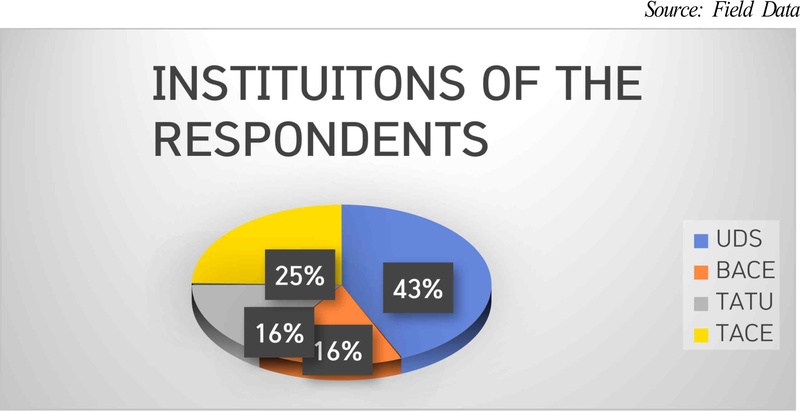
The study was conducted among faculty members involved in teaching and/or research at four selected public tertiary institutions in the Northern Region of Ghana: the University for Development Studies (UDS), Tamale Technical University (TATU), Tamale College of Education (TACE), and Bagabaga College of Education (BACE). A convenience sampling technique was used because recruitment depended on access to available and willing faculty during the data-collection period. 120 questionnaires were distributed and 108 usable questionnaires were returned, giving a usable response rate of 90%. The institutional distribution was UDS 47 (43.5%), TACE 27 (25.0%), BACE 17 (15.7%), and TATU 17 (15.7%).
Data were collected using a structured questionnaire developed from the study objectives and relevant literature. Items addressed general awareness of OER, awareness of OER platforms and Creative Commons licences, reported knowledge of adaptation and reuse, perceptions of usefulness, cost reduction, time saving and capability development, and reported use/adoption practices. The questionnaire was reviewed by colleagues and senior researchers for clarity and content coverage. Feedback from a pilot study involving faculty at Bimbilla College of Education informed revisions. The internal consistency of the scales was assessed using Cronbach’s alpha, with illustrative values of 0.76 for faculty awareness of OER, 0.81 for perception of OER, and 0.83 for adoption of OER.
The three major constructs examined were faculty awareness of Open Educational Resources (OER), perceptions of OER, and OER adoption. Faculty awareness was assessed by asking respondents about their familiarity with OER, awareness of OER platforms, knowledge of Creative Commons licences, understanding of the types of licences and awareness of the potential for adapting, remixing and reusing OER. The respondents’ perceptions of OER were measured using a four-point Likert scale to identify respondents’ views on the usefulness of OER for academic and research purposes, the potential of OER to reduce educational costs, the ability of OER to save lecturers’ time, and the contribution of video tutorials to developing capabilities. Items on the use of OER for supplementary reading, core teaching, assignments and projects, and multimedia support, and practices such as reusing, adapting, creating and sharing OER were used to assess OER adoption.
Descriptive statistics were used to summarise responses. Multiple linear regression was reported for faculty adoption as the dependent variable and awareness and perception as predictors, with statistical significance assessed at α = .05. The model specification was FACULTY_ADOPTION = β₀ + β₁(AWARENESS) + β₂(PERCEPTION) + ε.
Participation was voluntary. Participants were informed about the purpose of the study, assured that responses would be treated confidentially, and were not required to provide identifying information. Completed questionnaires were checked for completeness before analysis.
4. Results
4.1 Institutional affiliations of the respondents
Figure 1 below shows the distribution of respondents by their institution of affiliation. The largest proportion of the 108 respondents was 47 (43.5%) from the University for Development Studies (UDS). This was followed by Tamale College of Education (TACE) with 27 respondents (25.0%). Bagabaga College of Education (BACE) and Tamale Technical University (TATU) had 17 respondents each (15.7%). The distribution indicates that the respondents were from all the four selected institutions with UDS accounting for the highest share of the sample. Overall, the spread across institutions provides responses from different types of tertiary institution including public university, technical university and colleges of education and so gives a descriptive institutional perspective on faculty awareness, perception, use and adoption of OERs.
Affiliated Institution of the Respondent
4.2 Faculty Area of Specialisation
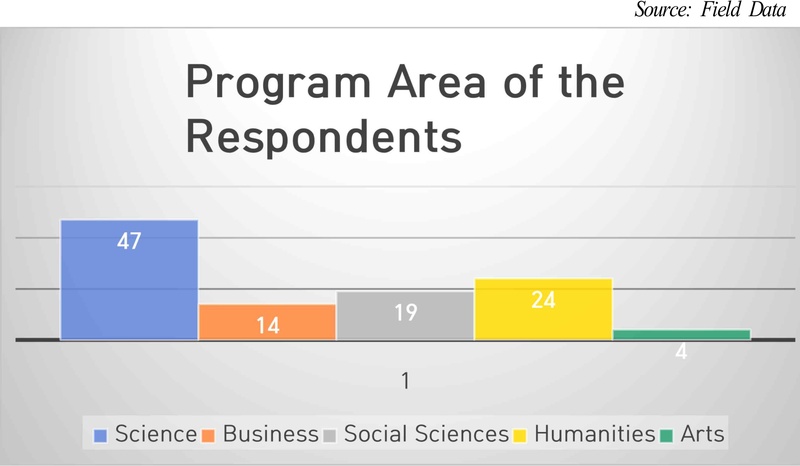
The distribution of respondents according to their area of speciality is depicted in Figure 2 below. The highest number of respondents was in Science (47 (43.5%)), followed by Humanities (24 (22.2%)) and Social Sciences (19 (17.6%)). Business had 14 respondents (13.0%) and Arts had the least representation with 4 respondents (3.7%). The distribution shows that respondents were from diverse academic disciplines and that Science was the largest group. This variation in disciplinary backgrounds is useful for the study since perceptions, awareness, use and adoption of OERs may differ across academic fields. Figure 2 below depicts the data.
Faculty Area of Specialisation
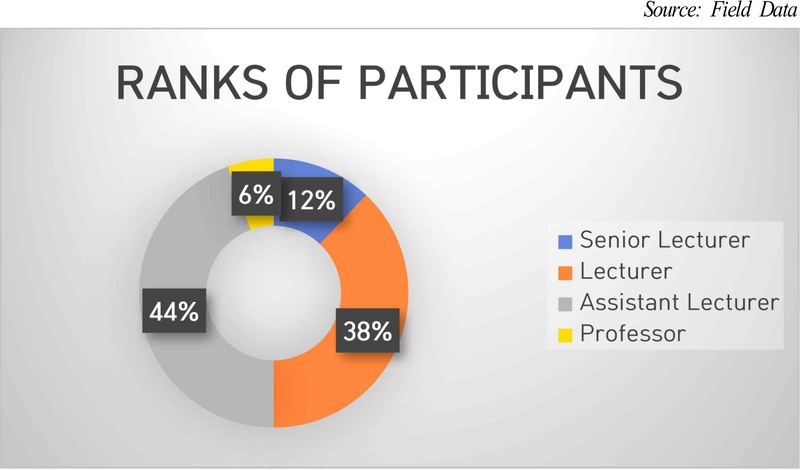
Figure 3 below shows the distribution of the respondents by academic ranks. Assistant Lecturers were the largest group with 44% of the respondents. This was followed by Lecturers, who constituted 38% of the sample. The second largest group were Senior Lecturers (12%) with Professors the smallest group (6%). The distribution showed that the majority of the sample was Assistant Lecturers and Lecturers which accounted for 82% of the respondents. This means that the study collected the views of faculty at different points in their academic careers, although lower and mid-level academic staff were more strongly represented than senior academic staff.
Ranks of the Participants
4.3 Respondents’ teaching experience (Years)
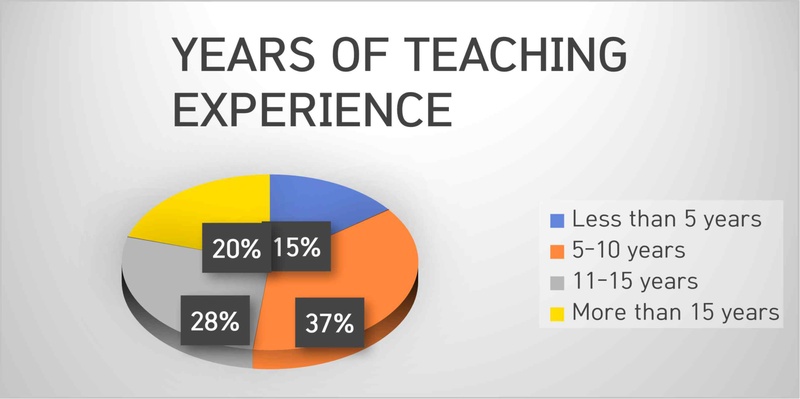
Figure 4 presents the distribution of respondents according to their years of working experience. As for the results, it is shown that the most frequent percentage of respondents had experience between 5 and 10 years (37% of the sample). Followed by respondents with 11-15 years of experience (28%) and those with more than 15 years of experience. The least represented group was faculty members with less than 5 years of work experience (15% of respondents). Overall, the distribution indicates that a sizeable proportion of the respondents had significant experience in academia with the majority having five or more years of work experience. This level of professional experience is relevant to the study as experienced faculty members are likely to have more opportunities to encounter, evaluate and use OERs in their teaching and research activities.
Teaching Experience of the Participants
4.4 OER faculty awareness
Table 1 below shows the extent to which faculty were aware of Open Educational Resources (OERs). The findings show that the awareness level of OERs among faculty respondents was generally high. Specifically, 94 respondents (87%) indicated that they had heard about OERs prior to the survey. 14 respondents (13%) indicated that they had not heard about OERs. This demonstrates that the large majority of the faculty members in the institutions studied are relatively aware of OERs.

Frequencies of Faculty Awareness of Open Educational Resources
In terms of how respondents first learned about OERs, findings indicate that a range of channels contributed to faculty awareness. Respondents accessed OERs through library services, online searches, workshops, colleagues or peers, institutional training, conferences, and other sources. The library was a major source of initial awareness, with 24 respondents reporting that they learned about OERs first through the library, followed by online searches and workshops. This finding indicates the possible role of academic libraries and librarians in introducing OERs to faculty and supporting faculty awareness of available resources.
However, respondents’ awareness of OER platforms relevant to their course areas was comparatively less pronounced. Twenty seven respondents (25%) reported that they were highly aware and 23 (21%) reported that they were aware of OER platforms in their course areas while 50 respondents (46%) indicated that they were not aware of such platforms while 8 respondents (7%) were neutral. This is significant because it indicates that general awareness of OER does not automatically lead to awareness of specific OER platforms relevant to faculty members' teaching and research areas. Hence while most respondents had knowledge of OERs, a significant proportion may still be unaware where to find discipline specific OERs.
4.5 OER knowledge among faculty
Table 2 below gives the results of the faculty knowledge of OERs. Some variation in the results has to do with how knowledgeable about OER respondents think they are. Among the four reported self-rated knowledge categories, 25 respondents selected low (23% of the respondents), 40 moderate (37%), 21 high (19%), and 22 very high (20%). The results thus suggest that although many faculty members have some knowledge of OERs, a significant percentage perceive their level of knowledge as low or moderate. This implies a need of more capacity building activities to improve the practical knowledge and confidence of the faculty members in using the OERs.
Frequencies of Faculty Knowledge of Open Educational Resources
Results concerning Creative Commons licensing show a fairly high level of reported awareness. Eighty-one respondents (74%) said that they were aware of the different types of Creative Commons (CC) licenses that are applied to OERs while 27 respondents (26%) said they were not aware of them. Similarly, 100 respondents (93%) indicated that they had the knowledge on the different Creative Commons licences and what they represent while 8 respondents (7%) indicated otherwise. The results appear to suggest that a large proportion of the respondents were aware of the licensing framework attached to OERs, especially the different types of Creative Commons licences.
However, awareness of the ability to adapt, remix and reuse OERs was more varied among respondents. Twenty-five respondents (23%) reported they were not at all aware and 29 respondents (26%) reported they were not aware. Conversely, 43 respondents (39%) were aware and 11 respondents (10%) were highly aware. Thus, 49% of respondents reported being either aware or highly aware that they could adapt, remix and reuse OERs, while 49% reported being either not aware or not aware at all. This suggests a fairly significant gap in knowledge about the practical freedoms of OER use. The finding indicates that even when general awareness of Creative Commons licenses is relatively high, faculty members may benefit from targeted training on OER licensing, adaptation, remixing, and reuse.
4.6 Faculty perceptions toward OER
Table 3 below shows descriptive statistics of faculty members’ perception of Open Educational Resources (OERs) based on 108 respondents. The results show that the respondents had positive perceptions of OER as all the means reported were above the midpoint of the four-point scale.
Descriptive Statistics of Faculty Perception Toward Open Educational Resources
The statement that OERs, especially video tutorials, can develop the capabilities of lecturers received the highest mean score (M = 3.30, SD = 0.878), indicating that respondents generally perceived OERs as useful for enhancing their professional and teaching capabilities. Next was the perception that OERs are useful to their academic and research work with a mean of 3.21 (SD = 0.786). The respondents also agreed that OERs can reduce the cost of education (M = 3.19, SD = 0.742) and save lecturer’s time (M = 3.19, SD = 0.742). The findings indicate that faculty members generally recognise the utility, cost-effectiveness, time-saving benefits, and capacity-development potential of OERs. The relatively small standard deviations ranging from 0.742 to 0.878 also indicate that the responses were fairly concentrated around the respective mean values. These positive perceptions set a positive context to examine whether faculty members’ perceptions of OER are significantly associated with their use and adoption of OERs.
4.7 How faculty use OER
Table 4 shows the different uses of Open Educational Resources (OER) by faculty members. The results show that the most common use of OER was as supplementary reading material with 35 respondents (32.4% of valid responses) indicating this form of use. Next, OER was used as core teaching material and as multimedia support, with 16 respondents for each (14.8%). Fifteen respondents (13.9%) reported using OER for assignments and student projects. The results indicate that faculty members tend to utilise OER as a supplementary teaching and learning material rather than as a primary instructional resource.
How OER is used by Faculty
The table also indicates that 14 respondents (13.0%) indicated that they did not use OER in any of the ways listed, and 12 respondents (11.1%) did not respond. The overall findings suggest that OER is used for various academic purposes, particularly as a supplementary reading material. However, the relatively small proportion of faculty who use OER as core teaching material, for assignments and projects, or as multimedia support, could indicate that integration of OER into broader teaching practices remains limited.
4.8 Ways faculty use OER to teach and conduct research
Table 5 below shows the different ways faculty members incorporate OER into their teaching and academic activities. Results indicate that the most common form of OER integration is the modification/adaptation of existing OER to meet faculty members’ needs. In particular, 67 respondents (62%) reported that they adapt or modify OER, while 41 respondents (38%) reported otherwise. It implies that a substantial proportion of faculty are engaging with OER in ways beyond simply accessing or consuming existing resources.
Frequencies of How Faculty Integrate OER
The findings also show that 57 respondents (53%) said they used OER as textbooks and 50 respondents (47%) said they did not use OER as textbooks. In contrast, 37 respondents (34%) indicated that they reused OER without modification and 71 respondents (66%) did not. Similarly, only 29 respondents (27%) said they share OER with colleagues, while 79 respondents (73%) said they did not. The creation of new OER was particularly low with only 10 respondents (9%) saying they create new OER, while 98 respondents (91%) said they do not.
Overall, these results indicate that faculty members are more likely to adapt and reuse existing OER than to create and share new OER. The relatively high percentage of faculty who change or adapt OER is particularly significant, since adaptation is a more active way of engaging with open resources. But low levels of OER creation and sharing indicate that faculty participation in the broader open education cycle remains limited. This finding may indicate the need for more institutional support and capacity building to encourage faculty members not only to use existing OER, but also to create, share and contribute to the OER community.
4.9 Hypothesis testing
A multiple linear regression analysis was performed to determine whether faculty awareness and perception of Open Educational Resources (OERs) predicted faculty adoption of OERs. The regression model had a R value of.220 and a R² value of.048, meaning that awareness and perception combined explained 4.8% of the variance in faculty adoption of OERs. The adjusted R² was .030, indicating that after adjusting for the number of predictors, approximately 3.0% of the variance was explained. The overall regression model was not significant, F(2, 105) = 2.669, p = .074. Thus, the predictors jointly did not significantly predict of faculty adoption of OERs at 5% level of significance. Faculty awareness of OERs was not a significant predictor of OER adoption at the individual predictor level (β = .066, t = .682, p = .497). Thus, the null hypothesis of no significant relationship between faculty awareness and OER adoption was maintained. Faculty perception of OERs, in contrast, was a statistically significant predictor of adoption (β = .196, t = 2.010, p = .047). The perception coefficient was nominally significant at the individual-predictor level. The low R2 value and non-significant overall model suggest that other variables not included in the present model may have a larger role in explaining faculty adoption of OERs. The regression analysis is shown in Tables 6–8 below.
Model Summary of Multiple Linear Regression Analysis
ANOVA for Multiple Linear Regression Analysis
Coefficients of Multiple Linear Regression Analysis
5. Discussion
5.1 Influence of faculty awareness and knowledge on their adoption of open educational resources
The first hypothesis tested the relationship between faculty awareness of Open Educational Resources (OER) and faculty adoption of OER. However, the discussion of this finding should go beyond general awareness of the existence of OER and consider the different forms of knowledge demonstrated by faculty members. Rogers (2003) defines knowledge of an innovation in three types: awareness knowledge, which refers to knowledge of the existence of an innovation; how-to knowledge, which refers to the practical knowledge needed to use an innovation properly; and principles-knowledge, which refers to an understanding of the fundamental principles that govern how and why an innovation works. These differences are especially pertinent to OER because successful adoption requires not just knowledge that OER exists, but an understanding of how to find, evaluate, use, adapt, remix, license and share such resources (Liebe et al., 2016).
The findings of this study indicate that faculty awareness of OER is characterised by a significant difference between general awareness and practical knowledge. The findings suggest, on one hand, that OER is not a totally alien concept to faculty members in the selected institutions. The faculty members had generally come across the idea of OER through a number of avenues, such as libraries, online searches, workshops, colleagues, conferences and institutional training. It implies that different information channels diffuse OER knowledge in tertiary institutions. From the perspective of Diffusion of Innovations Theory, such channels of communication are important as they allow the dissemination of information about an innovation within a social system (Rogers, 2003).
However, knowledge of the existence of OER did not seem to be accompanied by a similar level of knowledge about where and how to find relevant resources. Many faculty members reported that they had limited knowledge about OER platforms relevant to their specific courses or disciplinary areas. This finding is important because knowledge of an innovation is more meaningful if potential adopters are able to identify where the innovation can be accessed and how it can be applied to their own needs. Regarding OER, faculty may generally know that there are educational materials openly available but still struggle to find appropriate repositories or find resources that are relevant to their courses. This gap between general awareness and practical access knowledge could be the reason why awareness does not always translate into adoption.
This finding is consistent with previous research in Ghana. Awareness and appreciation of the concept of OER and open licensing among lecturers and students in Ghana was found to be relatively low, although respondents showed practices indicative of readiness for greater openness (Pete & Mulder, 2018b). (Loglo & Zawacki-Richter (2019) similarly found that Ghanaian academics participated in reuse, revision, remixing and redistribution-like practices, but these were often informal and with insufficient awareness of open licensing principles. The findings suggest that academics may be engaging with educational resources in ways similar to open practices without a full understanding of the OER concept and its practical requirements.
The how-to knowledge findings in the present study shed further light on this issue. The faculty members showed awareness of Creative Commons licensing, indicating some familiarity with the legal and licensing framework of OER. However, knowledge of Creative Commons licences should not be confused with the practical ability to apply those licences correctly or to use the permissions they offer effectively. Similarly, the results referring to the knowledge of the possibility of adapting, remixing and reusing OER indicate that not all faculty members have acquired practical knowledge of open practices in a uniform way.
This is especially important since the ability to reuse, adapt and remix resources is one of the key features that distinguish OER from other free online materials. A faculty member may know that a resource is free but not know whether it can be legally modified, combined with other materials, or redistributed. This means that limited how-to knowledge might limit faculty use of OER to consumption rather than adaptation for their teaching contexts. In a similar vein, the Ghanaian study conducted by Loglo and Zawacki-Richter (2019) identified that academics performed actions analogous to reuse and adaptation, but these were frequently performed without proper application of open licenses owing to a low awareness of licensing principles.
The findings thus recommend that faculty awareness should not be considered a one-dimensional or homogenous concept. Instead, awareness seems to be a tiered phenomenon, from knowing that OER exists, to knowing where to find relevant resources, to having the practical competence to appropriately use, adapt, remix and share them. This construal resonates with Rogers' conceptualisation of knowledge, particularly the distinction between awareness-knowledge vs. how-to knowledge. Within the Rogers framework awareness could generate interest in an innovation but the more important thing when a person is willing to implement the innovation is practical knowledge (Rogers, 2003).
The implication is that OER initiatives in tertiary institutions should go beyond sensitisation programs. Workshops, conferences, libraries, online platforms and colleagues work well in introducing faculty members to the idea of OER but more support is needed to build practical skills. So, faculty development should help them find relevant OER repositories, evaluate the quality and suitability of resources, understand Creative Commons licences and build the confidence to reuse and adapt resources for their specific teaching contexts. International evidence similarly suggests that faculty adoption is influenced not only by individual awareness but also by institutional support, professional development, policies, incentives, and the availability and quality of OER resources (Marín et al., 2022).
Although there were differences in general awareness and practical knowledge, the regression analysis showed that faculty awareness was not a statistically significant predictor of OER adoption. This finding suggests that awareness plus some level of how-to knowledge may not be enough to explain whether faculty adopt OER. Other factors that may influence adoption include perceived benefits of OER, compatibility with existing teaching practices, ease of use, institutional support, availability of relevant resources and opportunities to experiment with OER. Research that applies Rogers’ Diffusion of Innovations Theory to OER adoption also suggests that the evaluation of the characteristics of the innovation and not just knowledge affects adoption (Menzli et al., 2022).
Hypothesis decision of the regression results did not reject the first null hypothesis which stated that, there is no significant relationship between faculty awareness of OER and their adoption of OER in teaching and research. The finding therefore suggests that awareness is an important foundation for OER diffusion but is not sufficient by itself to account for faculty adoption. This suggests tertiary institutions should move beyond general awareness creation to interventions that strengthen faculty members’ practical how-to knowledge and provide the institutional conditions necessary to translate awareness into sustained OER adoption.
5.2 The influence of faculty perception on their OER adoption
The second hypothesis examined whether faculty members’ perceptions were associated between faculty members’ perceptions of OER and OER adoption. The results of the descriptive analysis indicate that faculty members tend to have positive perceptions of OER. Faculty members perceived the potential of the OER to contribute to the efficiency and effectiveness of teaching and learning. They found it useful for their academic and research activities. They also saw OER as a way to cut the cost of education and save the time of lecturers. A specific importance perception was that OER, particularly video-based resources, might help develop the capabilities of lecturers. To summarise, the findings indicate that faculty members typically acknowledge a number of potential benefits associated with OER.
These positive perceptions are consistent with the relative advantage dimension of the Diffusion of Innovations Theory (Rogers, 2003). Relative advantage is the degree to which an innovation is perceived as better than the idea or practice it supersedes. For example, faculty may see openly licensed resources as beneficial when compared to OER because they can help provide access to teaching and learning materials without the financial limitations of traditional educational resources. Additionally, the perceived value of materials may be increased by the possibility of adapting materials to suit specific teaching needs. Thus, perceived relative advantages of OER can be understood as perceptions of usefulness, cost reduction, time saving and professional capability development.
This finding on the impact on perceived usefulness of OER is especially important as usefulness is a key determinant in whether an academic will adopt a new resource into their current teaching practices. Faculty are more inclined to embrace OER in their professional practice when they see its relevance to their teaching and research activities. This aligns with previous studies indicating that perceived benefits and usefulness are key factors in faculty engagement with OER (Torto, 2019). For example, Torto (2019) reported that faculty members in Ghana recognised the usefulness of OER and pointed out factors associated with performance expectations and actual use. Similarly, Marín et al. (2022) demonstrated that faculty engagement with OER is influenced by individual perceptions and institutional and professional conditions.
The belief that OER can help reduce cost also has an important implication on its adoption. One of the most known benefits of OER is the economic advantage it offers because open resources can reduce dependence on costly commercial textbooks and other educational materials. UNESCO (2019) identifies the potential of OER to improve access to educational resources by enabling free access, reuse, adaptation and redistribution. But recognition of this advantage does not imply that it will be adopted. While faculty members may appreciate the economic advantages of OER, they still face challenges in locating appropriate materials, assessing their quality, adapting them or integrating them into current courses. Similarly noteworthy is the finding that faculty perceived OER as a time saver for lecturers. This perception may reflect the possibility that OER, which is freely available, can reduce the time needed to develop teaching materials from scratch. At the same time, the time-saving benefit of OER may depend on the availability of high quality resources that are well aligned with the curriculum. Where major modification is required, the process of adapting an OER can be time-consuming in itself. Hence the perceived time-saving advantage is likely to depend on the availability, relevance and quality of OER available.
The awareness of the potential of OER, especially video tutorials, for further development of lecturers’ capabilities, leads to the conclusion that OER is perceived by faculty members as a potential resource for professional learning, and not only as a source of teaching materials. This is consistent with the broader understanding of OER as resources that can support teaching, learning and research in diverse educational contexts (UNESCO, 2019). It also suggests that faculty may view OER as a way to encounter alternative teaching approaches, instructional materials and pedagogical practices. The generally favourable perception of OER is in line with the Ghanaian study by Loglo and Zawacki-Richter (2019) which found that academics’ attitudes toward OER were generally positive, although concerns about quality and other barriers remained. Their results demonstrate that positive perceptions can be coupled with reservations that may inhibit actual engagement. This distinction is important to the interpretation of the present study, as positive perceptions do not necessarily mean that faculty members automatically adopt OER. Rather, perceptions are part of a larger decision-making process that includes institutional, technological and individual factors. The results also resonate with Menzli et al. (2022), who used Rogers’ Diffusion of Innovations Theory to study OER adoption among faculty members. Their study showed the importance of perceived innovation attributes in explaining OER adoption. This lends theoretical support to the current finding that faculty perceptions are correlated with adoption. Thus, from the DOI perspective, faculty members are more likely to adopt an innovation when they see the innovation as having meaningful advantages and compatible with their existing practices and needs (Rogers, 2003).
However, the significant relationship between perception and adoption suggests that faculty members’ perceptions of OER are important for OER adoption. This is what makes perception different than simple awareness. Faculty may know about OER but do not find it useful or appropriate for their teaching. In contrast, when they understand its advantages and importance, they might be more open to the idea of incorporating it into their academic activities. The finding thus reinforces the importance of addressing faculty perceptions through practical demonstrations, peer experiences, professional development and access to high-quality and discipline-relevant OER. Therefore, the null hypothesis that there is no significant relationship between faculty perception and OER adoption was rejected.
6. Conclusion
The study examined the relationship between faculty awareness, perception and OER use and adoption in selected tertiary institutions in the Northern Region of Ghana. The results show that general awareness on OER was relatively high as 87% of the respondents had heard of OER. Knowledge of specific OER platforms however and practical knowledge of adaptation, remixing and reuse were less consistent. The faculty's perceptions were generally positive, especially on the usefulness of OER for academic work, cost reduction, time saving, and lecturer capability development. In practice, OER was primarily used as additional reading material and adaptation was the most common form of integration.
The reported regression results indicate that awareness was not a statistically significant predictor. Perception had a nominally significant individual coefficient, but this finding should be interpreted cautiously because the overall model was not statistically significant. Importantly the overall regression model was non-significant and explained a mere 4.8% of the variance in adoption. The study, therefore, concludes that awareness and perception alone do not sufficiently explain the adoption of OER by faculty in the study context. Sustainable adoption is likely to be a wider combination of individual, technological, institutional and policy factors. The findings support the relevance of DOI Theory, but also point to the need to explore the broader conditions under which faculty knowledge and perceptions translate into actual and sustained OER practices.
6.1 Recommendations
Tertiary institutions should develop more targeted awareness campaigns on OER and provide practical, discipline-specific training on how to identify credible OER repositories, how to evaluate resources, how to interpret Creative Commons licences, and how to adapt, remix and share OER appropriately.
Academic libraries and librarians should enhance their OER support role through discipline-specific OER guides, repository support, workshops and individual assistance. The library’s status as a major source of first OER awareness is a great platform for growth of these services. Institutions should develop or strengthen institutional OER policies that include details about copyright and open licensing, recognise OER-related academic work, and provide appropriate incentives for faculty who create, adapt, and share high-quality OER.
Faculty development programs need to place more emphasis on OER creation and sharing. The low percentage of respondents indicating OER creation and sharing points to a need for support to get faculty from being consumers and adapters of resources to active contributors to the open education ecosystem.
Future research should use larger probability-based samples from the Northern Region and other regions of Ghana to improve representativeness and allow for institutional and geographical comparisons. Longitudinal and mixed-methods studies may also examine how faculty move from awareness to evaluation to sustained OER adoption.
Statements and Declarations
Author Contributions: The author was responsible for all aspects of the study, including conceptualization, data collection, analysis, and manuscript preparation.
Funding: This research received no external funding.
Data Availability Statement: The data presented in this study are available on reasonable request from the corresponding author.
Institutional Review Board Statement: Not applicable.
Informed Consent Statement: Informed consent was obtained from all participants involved in the study.
Conflicts of Interest: The authors declare no conflict of interest.
Generative AI Use Statement: Not applicable.
References
-
Al-Zahrani, A. M. (2024). Embracing the Promise of Open Educational Resources: Faculty Insights and Implications in Higher Education. World Journal of Education, 14(3), 12.
[https://doi.org/10.5430/wje.v14n3p12]

- CSR.Education. (2024). Understanding the Innovation-Decision Process in Development Work. Development Communication and Extension. https://csr.education/development-communication-extension/innovation-decision-process-development/
-
Elder, A., Larson, A., Thornton, E., & Cross, W. (2020). Exploring Faculty Perceptions of OER and Impediments to their Use: A Multi-Institutional Study. International Journal of Open Educational Resources, 3(2).
[https://doi.org/10.18278/ijoer.3.2.8]
-
Liebe, J., Hüsers, J., & Hübner, U. (2016). Investigating the roots of successful IT adoption processes - an empirical study exploring the shared awareness-knowledge of Directors of Nursing and Chief Information Officers. BMC Medical Informatics and Decision Making, 16(1), 10.
[https://doi.org/10.1186/S12911-016-0244-0]
-
Llanda, S. M. D. (2023). Factors Influencing the Faculty’s Use of Open Educational Resources (OER). British Journal of Multidisciplinary and Advanced Studies, 4(4), 1–11.
[https://doi.org/10.37745/bjmas.2022.0237]
-
Loglo, S. M., & Zawacki-Richter. (2019). Exploring OER Awareness and Engagement of Academics from a Global South Perspective – a Case Study from Ghana. Zeitschrift Für Hochschulentwicklung, 14(2), 15–42.
[https://doi.org/10.3217/zfhe-14-02/02]
-
Marín, V. I., Zawacki-Richter, O., Aydin, C. H., Bedenlier, S., Bond, M., Bozkurt, A., Conrad, D., Jung, I., Kondakci, Y., Prinsloo, P., Roberts, J., Veletsianos, G., Xiao, J., & Zhang, J. (2022). Faculty perceptions, awareness and use of open educational resources for teaching and learning in higher education: a cross-comparative analysis. Research and Practice in Technology Enhanced Learning, 17(1), 11.
[https://doi.org/10.1186/S41039-022-00185-Z]
-
Menzli, L. J., Smirani, L. K., Boulahia, J. A., & Hadjouni, M. (2022). Investigation of open educational resources adoption in higher education using Rogers’ diffusion of innovation theory. Heliyon, 8(7), e09885.
[https://doi.org/10.1016/j.heliyon.2022.e09885]
-
Ndaago, A. I., Kankam, P. K., & Bentil, W. (2025). Awareness and knowledge of Open Educational Resources (OERs) among postgraduate students in Ghanaian universities. Scientific African, 28(March), e02659.
[https://doi.org/10.1016/j.sciaf.2025.e02659]
-
Pete, J., & Mulder, F. (2018a). Differentiation in access to, and the use and sharing of (open) educational resources among students and lecturers at technical and comprehensive Ghanaian universities. Open Praxis, 10(4), 405–421.
[https://doi.org/10.5944/openpraxis.10.4.917]
-
Pete, J., & Mulder, F. (2018b). Differentiation in Access to , and the Use and S haring of (Open) Educational Resources among S tudents and Lecturers at Technical and Comprehensive Ghanaian Universities. Open Praxis, 10(4), 405–421.
[https://doi.org/10.5944/openpraxis.10.4.917]
- Rogers, E. M. (2003). Difusion of Innovations (5th ed.). Free Press.
-
Scoulas, J. M., & De Groote, S. L. (2024). Use and Importance of Library Resources to Support Faculty Research and Productivity. College & Research Libraries, 85(5), 669.
[https://doi.org/10.5860/crl.85.5.669]
-
Tlili, A., Garzón, J., Salha, S., Huang, R., Xu, L., Burgos, D., Denden, M., Farrell, O., Farrow, R., Bozkurt, A., Amiel, T., McGreal, R., López-Serrano, A., & Wiley, D. (2023). Are open educational resources (OER) and practices (OEP) effective in improving learning achievement? A meta-analysis and research synthesis. International Journal of Educational Technology in Higher Education, 20(1).
[https://doi.org/10.1186/s41239-023-00424-3]
- Torto, B. A. (2019). Determinants of Open Educational Resources Adoption Among Faculty of Higher Educational Institutions in Ghana. University of Ghana.
- UNESCO. (2019). The 2019 UNESCO Recommendation on Open Educational Resources (OER) Supporting universal access to information through quality open learning materials. The 2019 UNESCO Recommendation on Open Educational Resources (OER), 1–17.
- UNESCO. (2024). Dubai Declaration on Open Educational Resources (OER) Digital Public Goods and Emerging Technologies for Equitable and Inclusive Access to Knowledge. Dubai Declaration on Open Educational Resources (OER): Digital Public Goods and Emerging Technologies for Equitable and Inclusive Access to Knowledge, 1–13.
- UNESCO. (2026). UNESCO’s mandate in OER | UNESCO. Open Educational Resources. https://www.unesco.org/en/open-educational-resources/mandate?utm
-
Zhang, M., & Li, Y. (2017). Teaching experience on faculty members’ perceptions about the attributes of open educational resources (OER). International Journal of Emerging Technologies in Learning, 12(4), 191–199.
[https://doi.org/10.3991/ijet.v12i04.6638]
Dawuda Issah is an Assistant Librarian, University for Development Studies (UDS), Ghana and a PhD student in Information Studies at the University of Ghana. His professional and academic interests include Open Educational Resources (OER), academic librarianship, knowledge management, institutional repositories, and the role of academic libraries in supporting teaching, learning and research.
Bawa Abdul-Majeed Wumbie is an Assistant Librarian at Tamale Technical University, Ghana and a PhD candidate in Information Studies at the University of Malaya, Malaysia. His professional and academic interests are Research Data Management and Knowledge Management, particularly in the management, organization, preservation and effective use of research information and knowledge resources.
Dr. Abdul-Rahim Mohammed Hardi is an academic librarian, researcher and Indigenous Knowledge advocate at the University for Development Studies (UDS), Ghana. with a PhD in Information Science from the University of Zululand, South Africa. My research interests include: Indigenous Knowledge Systems and its documentation and preservation, knowledge management and sharing, organizational culture, information literacy, artificial intelligence in academic libraries, scholarly communication and research support services.
Abubakari Hafiz is a Senior Assistant Librarian at Bagabaga College of Education, Ghana and a PhD student in Information Science at the University of South Africa. His research interests include Collection Management, Information-Seeking Behavior and Open Science.